Roasters chasing one profile for filter and espresso — when omni works and when to buy split roasts instead. Long-form guide with photos, video, and…
Roasters chasing one profile for filter and espresso — when omni works and when to buy split roasts instead. Technique guides translate measurable steps into repeatable home workflow. Home brewers often underestimate how much water mineral content and grinder uniformity shape the same bag differently than café equipment — smaller batches concentrate errors, so weighing dose and output remains the fastest quality upgrade. Treat omni roast as a two-week experiment: hold ratio steady, move grind in small steps, and log one flavor word per cup before changing beans. Key points for this topic: Omni targets solubility across methods. Espresso may need higher yield on omni. Filter omni often peaks day 7–14. Every ratio, gear list, and mistake block below targets omni roast — not a recycled filter tutorial.
How it works
Roast changes solubility: the same grinder setting extracts differently on light vs dark. Omni Roast: One Bag, Every Brewer matches roast level to brew method so you stop fighting the bean. Dark roasts extract fast — compensate with grind or temperature, not panic.
 Omni Roast: One Bag, Every Brewer — Roast Levels guide.
Dose & ratio
Light filter: 1:16–1:17. Dark filter: 1:15 coarser. Espresso omni: 18 g in, 36–40 g out.
Weigh coffee first, then multiply by your ratio to find total water. Example: 15 g × 16 = 240 g water including bloom. If strength feels wrong after flavor is balanced, adjust ratio by one step (e.g. 1:16 → 1:15 for stronger) before touching grind again. Immersion methods retain water in the slurry — expect slightly less liquid in the cup than you poured.
What you need
- Beans at target roast level
- Burr grinder
- Scale
- Filter or espresso machine
- Notebook for roast notes
You do not need every accessory on day one. Minimum viable setup: burr grinder, scale, kettle, and your brewer. Add distribution tools, thermometers, or refractometers only after repeatability is boring — that is when marginal gains appear.
Step by step
- Identify roast label on bag for omni roast.
- Omni targets solubility across methods.
- Weigh dose; set baseline grind.
- Espresso may need higher yield on omni.
- Filter omni often peaks day 7–14.
- Log flavor at day 7 and day 14 off roast.
The science behind the cup
Coffee extraction is the movement of soluble compounds from ground particles into water. In roast levels, you control how much contact water has with coffee, how hot that water is, and how fine the particles are. Finer grind increases surface area — extraction speeds up. Hotter water increases solubility — acids and sugars enter the cup faster. Longer contact time pulls more material overall — eventually bitterness dominates. For this topic, start with Light filter: 1:16–1:17. When a cup tastes sour or thin, you are usually under-extracted: try finer grind, slightly hotter water, or a longer pour. When it tastes bitter, dry, or harsh, you are likely over-extracted: coarsen grind, lower temperature, or shorten contact time. The sweet spot feels round, not sharp — sweetness and acidity in balance, with a clean finish that lasts several seconds.
Roast development changes solubility and gas retention. Omni Roast explains label language — development time, color, and rest windows — so you adjust grind and temperature instead of blaming the bag.
Roast concept: Omni Roast
Roasters chasing one profile for filter and espresso — when omni works and when to buy split roasts instead. Roast level changes solubility more than many brewers expect.
Omni targets solubility across methods. Espresso may need higher yield on omni. Log grind changes whenever you switch roast labels on the same brewer.
Cup the same beans at two roast levels once — the difference teaches more than reading charts.
How to brew this roast style
Filter omni often peaks day 7–14. Filter light roasts finer; dark roasts coarser and often cooler water.
Espresso omni bags may need higher yield before finer grind — sour omni often wants 1:2.5 not 1:2.
Rest windows differ: filter omni peaks day 7–14; very dark espresso may peak sooner.
Buying roast labels smartly
Ask roasters for development time or Agtron if listed — compare to taste, not marketing alone.
Split bags if you run filter and espresso daily; one omni bag is a compromise, not a miracle.
Ignore curve shape jargon until roast date and cup flavor agree with the label.
Logging roast experiments
Track: roast label, day off roast, grind setting, dose, time, one flavor word.
Change one variable when comparing filter vs espresso roast on the same origin.
If a roast tastes baked or flat, try a different roaster before abandoning the brew method.
Deep troubleshooting matrix
Use this matrix when multiple fixes seem plausible. Start with freshness and water, then grind, then ratio, then temperature. For roast levels, the most common misdiagnosis is blaming beans when the grinder setting moved overnight (humidity changes burr behavior more than people expect).
Sour + fast: finer grind or higher yield first. Bitter + slow: coarser or cooler. Sour + slow: rare — often under-dosed or a stale light roast. Bitter + fast: often over-dosed dark roast or water too hot. Flat + whatever time: chlorine, stale beans, or dirty equipment before any recipe tweak.
When two symptoms conflict — bitter and sour in the same cup — suspect uneven extraction from channeling or a blade grinder. Switch to burr, improve puck prep or pour evenness, then re-evaluate. Omni Roast becomes easier to teach once extraction is even cup to cup.
- Log grind setting, dose, yield or total water, total time, and one flavor word.
- Change one variable per brew; never grind and ratio on the same day when learning.
- Cup at 70 °C and again at 50 °C — acidity and sweetness peak at different moments.
- Clean burrs and brewer monthly; rancid oils mimic roast defects in the cup.
- If problems persist across two fresh bags, test water TDS and filter performance.
How to taste and adjust
Taste the same brew at three moments: immediately off the brewer (hot), after two minutes (warm), and after five minutes (cup temperature). Acidity reads louder when hot; sweetness often opens as the cup cools. Slurp lightly to aerosolize — aromatics matter as much as tongue taste. Compare today’s cup to yesterday’s log entry, not to a café fantasy. If you cannot describe what is wrong in one word (sour, bitter, thin, muddy), fix your recipe before buying new beans.
- Sour or sharp → finer grind, hotter water, or longer contact.
- Bitter or dry → coarser grind, cooler water, or shorter brew.
- Thin or weak → higher ratio coffee (lower 1:X number) after grind is balanced.
- Muddy or silty → coarser grind or cleaner filter; check grind uniformity.
- Flat or cardboard → stale beans, dirty gear, or chlorinated water first.
Pro tips
- Omni targets solubility across methods
- Espresso may need higher yield on omni
- Filter omni often peaks day 7–14
- Log one flavor or timing note per session.
- Change one variable at a time.
- When switching beans for omni roast, reset grind before dose or syrup levels.
- Use filtered water if tap smells of chlorine — minerals still change extraction.
- Buy 250 g until you finish within three weeks of roast for best clarity.
Common mistakes
- Applying filter grind to espresso roast without dial-in.
- Ignoring development time when switching roast labels.
- Storing dark roast as long as light without flavor loss.
- Trusting bag curve graphics over taste and roast date.
Build a repeatable routine
Pick one recipe for two weeks — same dose, same ratio, same brewer. Change only grind until flavor stabilizes, then adjust ratio by one step if strength feels off. Write one line per brew: date, grind setting, total time, taste word. On weekend, cup two small changes side by side (e.g. 92 °C vs 96 °C) with the same beans. That single habit teaches more than reading ten guides. Omni Roast: One Bag, Every Brewer is designed to be the reference you return to when you forget which direction to turn the grinder.
Watch and brew along
These brew-along videos pair with the steps above — pause, replicate doses, and compare your cup to the on-screen timing.
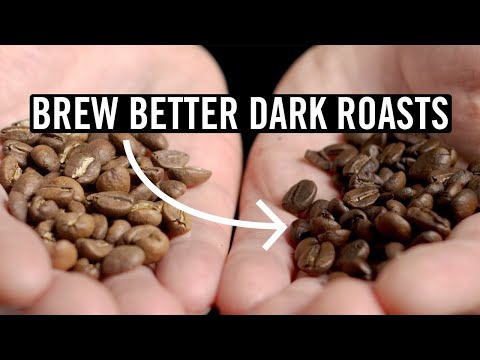 ▶
Watch video
Light vs Dark Roast: Side-by-Side Brew
▶
Watch video
Light vs Dark Roast: Side-by-Side Brew
 ▶
Watch video
Dial In Espresso in 10 Minutes
▶
Watch video
Dial In Espresso in 10 Minutes
What to buy next
Buy two roast levels of the same origin once to learn solubility differences before chasing limited releases.
 Omni Roast: One Bag, Every Brewer — practical roast levels technique.
 Equipment and setup for roast levels — scale, grinder, and fresh beans matter more than aesthetics.
FAQ
- What makes omni roast different from similar guides?
- Omni targets solubility across methods Espresso may need higher yield on omni
- Best starting point for omni roast?
- Follow the ratio and steps in this guide; change one variable per session.
- What ratio should I start with?
- Light filter: 1:16–1:17. Dark filter: 1:15 coarser. Espresso omni: 18 g in, 36–40 g out.
- How long should I spend on roast levels before upgrading gear?
- At least two weeks on one method with a burr grinder and scale. Most “gear problems” are grind, water, or stale beans. Upgrade kettle or dripper only when your pours are consistent and cups still plateau.
- Can I use tap water?
- If it smells of chlorine or your kettle scales quickly, filter it. Very soft or distilled water tastes flat — you want some mineral content. Many baristas use a simple carbon filter pitcher; that alone can lift sweetness.
- Do I need to weigh water or are volume marks enough?
- Weigh in grams for the first month. Kettle and carafe markings are often off by ten percent or more. Once you know your setup, you can use marks — but weigh again whenever you change beans or grind.
- What if my cup is good but not great?
- Check roast date (7–21 days off roast for filter), clean your grinder burrs, and taste as the cup cools. Small gains live in freshness and cleaning before buying another bag or gadget.
Omni Roast: Filter omni often peaks day 7–14
Bottom line
Take one variable from Omni Roast: One Bag, Every Brewer — ratio, bloom time, grind step, or storage habit — and apply it on your next brew. Write what changed. Better coffee is a loop of small, measured adjustments, not a single purchase. When this guide stops feeling useful, you have outgrown it — which means it did its job.