Espresso vs drip vs cold brew — actual caffeine ranges by method, dose, and bean variety. Long-form guide with photos, video, and step-by-step tips for home…
Espresso vs drip vs cold brew — actual caffeine ranges by method, dose, and bean variety. Whether you are brewing your first cup or refining a daily ritual, this guide gives you measurable targets — grams, temperatures, timing windows — and explains what to change when the cup tastes sour, bitter, or flat. We skip vague advice and focus on what you can repeat tomorrow morning with the gear you already own.
How it works
Strength and extraction are related but not the same. How Much Caffeine Is in Your Cup? A Realistic Breakdown shows how to use ratios as a strength dial while using grind and time to balance sweetness, acidity, and bitterness. Once ratio is fixed, most flavor problems become grind or temperature problems — which are faster to fix.
 How Much Caffeine Is in Your Cup? A Realistic Breakdown — Dosing & Ratios guide.
Dose & ratio
Rough ranges per 250 ml drink: drip 80–120 mg, cold brew 150–200+ mg (varies by concentrate), espresso 60–80 mg per double shot.
Weigh coffee first, then multiply by your ratio to find total water. Example: 15 g × 16 = 240 g water including bloom. If strength feels wrong after flavor is balanced, adjust ratio by one step (e.g. 1:16 → 1:15 for stronger) before touching grind again. Immersion methods retain water in the slurry — expect slightly less liquid in the cup than you poured.
Step by step
- Caffeine extracts early — longer brew time adds less than people think.
- Robusta has nearly double Arabica caffeine per bean.
- Espresso is concentrated but served small — often less total caffeine than a mug of drip.
- Cold brew concentrate drunk undiluted spikes intake.
- Decaf is 97%+ removed — still 2–10 mg per cup, not zero.
The science behind the cup
Coffee extraction is the movement of soluble compounds from ground particles into water. In dosing & ratios, you control how much contact water has with coffee, how hot that water is, and how fine the particles are. Finer grind increases surface area — extraction speeds up. Hotter water increases solubility — acids and sugars enter the cup faster. Longer contact time pulls more material overall — eventually bitterness dominates. For this topic, start with Rough ranges per 250 ml drink: drip 80–120 mg, cold brew 150–200+ mg (varies by concentrate), espresso 60–80 mg per double shot. When a cup tastes sour or thin, you are usually under-extracted: try finer grind, slightly hotter water, or a longer pour. When it tastes bitter, dry, or harsh, you are likely over-extracted: coarsen grind, lower temperature, or shorten contact time. The sweet spot feels round, not sharp — sweetness and acidity in balance, with a clean finish that lasts several seconds.
Why How Much Caffeine Is in Your Cup? A Realistic Breakdown matters for home brewers
Espresso vs drip vs cold brew — actual caffeine ranges by method, dose, and bean variety. That promise only holds when your water, grinder, and brew method align with the style of coffee you are making. Home kitchens rarely match café spec — smaller batches, different kettles, tap water with chlorine — so guides like this one translate professional habits into steps that survive on a Tuesday morning.
In dosing & ratios, small process changes compound faster than gear upgrades. Readers who log ten brews in a row often report the same pattern: the first three cups feel random, the next four reveal a grind trend, and the last three taste intentionally repeatable. How Much Caffeine Is in Your Cup? A Realistic Breakdown is less about chasing a viral recipe and more about naming the variables you will hold constant for two weeks.
Rockwell editors treat how much caffeine is in your cup? a realistic breakdown as a reference page — something you bookmark and return to when a cup tastes off. The sections below cover context professionals assume, equipment trade-offs at realistic budgets, and a thirty-day consistency plan you can run without buying new tools on day one.
What cafés do differently (and what to steal)
Commercial bars optimize for speed, repeatability, and waste control. They weigh doses to 0.1 g, purge grinders between shifts, and taste every new bag before service. You can adopt the tasting habit and the scale without adopting their lease payment: one notebook, one baseline recipe, one honest slurp per brew.
Cafés serving dosing & ratios coffee often calibrate to a target extraction window rather than a target time. Time is a symptom; flavor is the diagnosis. When a shot or pour runs fast but tastes sour, pros adjust grind before they adjust yield. When a cup is bitter and dry, they coarsen or lower temperature before they blame the beans. Mirror that order at home and you skip half the forum rabbit holes.
Steal workflow, not theater. Pre-wet filters, preheat cups, wipe steam wands, and clean burrs on schedule — boring steps that show up in every high-performing bar. Skip the elaborate pour choreography until your baseline tastes the same two days in a row. How Much Caffeine Is in Your Cup? A Realistic Breakdown rewards discipline more than flair.
Equipment tiers without overspending
Tier one — non-negotiable: fresh whole beans, a burr grinder, and a scale that reads to 0.1 g. Tier two — high impact for dosing & ratios: filtered water or a known bottled profile, a gooseneck kettle if you pour, and a timer. Tier three — nice to have: distribution tools, bottomless portafilters, refractometers, and aesthetic upgrades once repeatability is boring.
Match spend to your bottleneck. If cups swing sour and fast one day, bitter and slow the next, the grinder is the problem — not the dripper color. If flavor is stable but flat, water or bean freshness usually leads. If strength alone is wrong after flavor is balanced, ratio is the dial — not a new machine.
Used gear can be excellent; dull burrs and scaled boilers cannot. Budget for burr replacement and descaling on any second-hand espresso machine. For filter brewers, plastic is fine if cleaned; glass and ceramic hold heat differently — pick one material and learn it deeply before collecting three brewers.
A thirty-day consistency plan
Week one: one recipe only — same dose, same ratio, same brewer. Change nothing except grind in small steps. Write one tasting word per cup. Week two: fix water if needed — filter or remineralize before chasing exotic beans. Week three: buy one fresh bag from a roaster with a roast date and finish it within three weeks. Week four: run two side-by-side tests (temperature or ratio) on weekends.
By day thirty you should predict how a grind change will move flavor before you pull the next shot or pour. That prediction is the skill How Much Caffeine Is in Your Cup? A Realistic Breakdown is building. When you can describe a cup in one word — sour, bitter, thin, muddy — you know which knob to turn.
After thirty days, revisit this guide's step-by-step section with fresh eyes. Advanced sections land differently once basics are automatic. If you outgrow the defaults here, you have graduated — which is the point of a long-form reference.
Deep troubleshooting matrix
Use this matrix when multiple fixes seem plausible. Start with freshness and water, then grind, then ratio, then temperature. For dosing & ratios, the most common misdiagnosis is blaming beans when the grinder setting moved overnight (humidity changes burr behavior more than people expect).
Sour + fast: finer grind or higher yield first. Bitter + slow: coarser or cooler. Sour + slow: rare — often under-dosed or a stale light roast. Bitter + fast: often over-dosed dark roast or water too hot. Flat + whatever time: chlorine, stale beans, or dirty equipment before any recipe tweak.
When two symptoms conflict — bitter and sour in the same cup — suspect uneven extraction from channeling or a blade grinder. Switch to burr, improve puck prep or pour evenness, then re-evaluate. How Much Caffeine Is in Your Cup? A Realistic Breakdown becomes easier to teach once extraction is even cup to cup.
- Log grind setting, dose, yield or total water, total time, and one flavor word.
- Change one variable per brew; never grind and ratio on the same day when learning.
- Cup at 70 °C and again at 50 °C — acidity and sweetness peak at different moments.
- Clean burrs and brewer monthly; rancid oils mimic roast defects in the cup.
- If problems persist across two fresh bags, test water TDS and filter performance.
How to taste and adjust
Taste the same brew at three moments: immediately off the brewer (hot), after two minutes (warm), and after five minutes (cup temperature). Acidity reads louder when hot; sweetness often opens as the cup cools. Slurp lightly to aerosolize — aromatics matter as much as tongue taste. Compare today’s cup to yesterday’s log entry, not to a café fantasy. If you cannot describe what is wrong in one word (sour, bitter, thin, muddy), fix your recipe before buying new beans.
- Sour or sharp → finer grind, hotter water, or longer contact.
- Bitter or dry → coarser grind, cooler water, or shorter brew.
- Thin or weak → higher ratio coffee (lower 1:X number) after grind is balanced.
- Muddy or silty → coarser grind or cleaner filter; check grind uniformity.
- Flat or cardboard → stale beans, dirty gear, or chlorinated water first.
Pro tips
- Dose scales caffeine linearly — double coffee, double caffeine.
- Dark roast has slightly less caffeine by volume (bean swells) — minor effect.
- Track your mg if sensitive — apps exist, or use 100 mg per mug rule of thumb.
- Afternoon decaf Swiss Water process if sleep matters.
Common mistakes
- Assuming espresso always has more caffeine than drip.
- Triple shot latte vs single cup drip — latte often wins total mg.
- Ignoring cup size on café menus.
Build a repeatable routine
Pick one recipe for two weeks — same dose, same ratio, same brewer. Change only grind until flavor stabilizes, then adjust ratio by one step if strength feels off. Write one line per brew: date, grind setting, total time, taste word. On weekend, cup two small changes side by side (e.g. 92 °C vs 96 °C) with the same beans. That single habit teaches more than reading ten guides. How Much Caffeine Is in Your Cup? A Realistic Breakdown is designed to be the reference you return to when you forget which direction to turn the grinder.
Watch and brew along
These brew-along videos pair with the steps above — pause, replicate doses, and compare your cup to the on-screen timing.
 ▶
Watch video
60-Second Tip: Weigh Your Beans
▶
Watch video
60-Second Tip: Weigh Your Beans
 ▶
Watch video
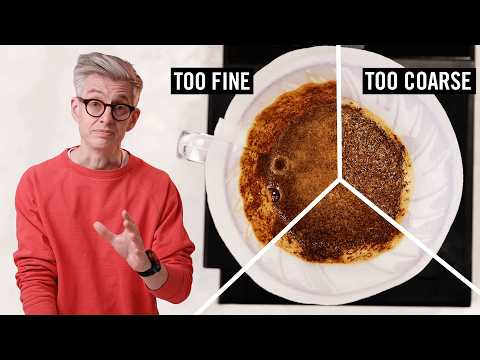
Fix Sour Coffee in 3 Adjustments
▶
Watch video
Fix Sour Coffee in 3 Adjustments
What to buy next
For dosing & ratios, buy fresh whole beans with a visible roast date, use filtered water, and match roast level to your brew method — medium is the safest starting point for most home setups.
 How Much Caffeine Is in Your Cup? A Realistic Breakdown — practical dosing & ratios technique.
 Equipment and setup for dosing & ratios — scale, grinder, and fresh beans matter more than aesthetics.
FAQ
- What ratio should I start with?
- Rough ranges per 250 ml drink: drip 80–120 mg, cold brew 150–200+ mg (varies by concentrate), espresso 60–80 mg per double shot.
- How long should I spend on dosing & ratios before upgrading gear?
- At least two weeks on one method with a burr grinder and scale. Most “gear problems” are grind, water, or stale beans. Upgrade kettle or dripper only when your pours are consistent and cups still plateau.
- Can I use tap water?
- If it smells of chlorine or your kettle scales quickly, filter it. Very soft or distilled water tastes flat — you want some mineral content. Many baristas use a simple carbon filter pitcher; that alone can lift sweetness.
- Do I need to weigh water or are volume marks enough?
- Weigh in grams for the first month. Kettle and carafe markings are often off by ten percent or more. Once you know your setup, you can use marks — but weigh again whenever you change beans or grind.
- What if my cup is good but not great?
- Check roast date (7–21 days off roast for filter), clean your grinder burrs, and taste as the cup cools. Small gains live in freshness and cleaning before buying another bag or gadget.
Caffeine follows dose and bean species more than brew drama — measure your coffee if sleep is on the line.
Bottom line
Take one variable from How Much Caffeine Is in Your Cup? A Realistic Breakdown — ratio, bloom time, grind step, or storage habit — and apply it on your next brew. Write what changed. Better coffee is a loop of small, measured adjustments, not a single purchase. When this guide stops feeling useful, you have outgrown it — which means it did its job.